Rebuilding from the Ground Up: A Strategic Framework for B2B Brand Recovery After a Major Setback
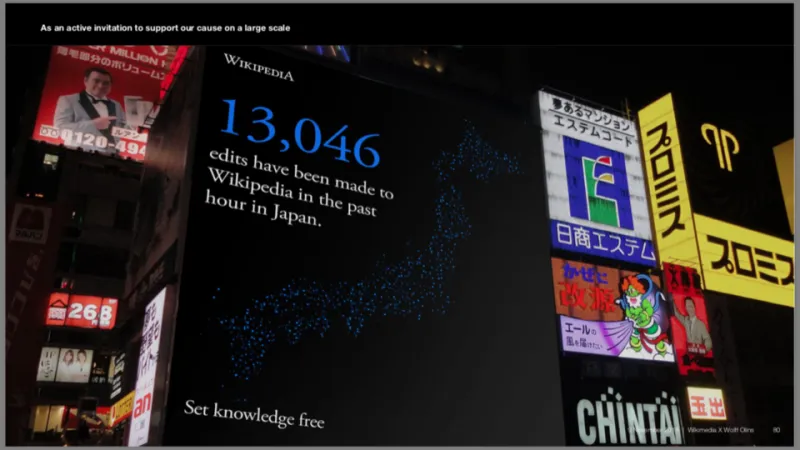
Photo: ZMcCune (WMF), CC BY-SA 4.0, via Wikimedia Commons
The mythology of the phoenix — a bird that burns completely and rises renewed from its own ashes — is not merely poetic metaphor. For B2B organizations navigating the aftermath of a damaging market event, it is an operational imperative. Whether the wound was inflicted by a merger that destroyed cultural cohesion, a product launch that missed the market entirely, or a PR crisis that fractured client trust, the question facing corporate leadership is not whether recovery is possible. It is whether the organization has the strategic clarity and organizational discipline to pursue it deliberately.
The uncomfortable truth is that most B2B companies respond to brand damage the wrong way. They commission a new logo. They refresh the website. They issue a carefully worded statement. None of these actions, in isolation, constitute a brand recovery. They constitute avoidance dressed in the language of action.
Authentic brand rebuilding begins with a far less comfortable process: an unflinching audit of what went wrong and what, if anything, still holds value.
Step One: Conduct an Honest Brand Equity Audit
Before a single message is crafted or a single creative brief is written, leadership must understand what the brand currently means to its most important audiences. This is not a sentiment exercise. It is a structured intelligence-gathering process that draws on client interviews, partner feedback, internal stakeholder assessments, and competitive positioning analysis.
The goal is to answer three foundational questions with precision:
- What brand attributes did clients and prospects associate with the organization before the setback?
- Which of those attributes survived the damage — and which were casualties of it?
- What expectations do target audiences now carry, and how do those expectations differ from what the organization can realistically deliver?
The audit must be conducted without the defensive instinct to minimize findings. Organizations that soften the results of this process to protect executive sensibilities are investing in a recovery built on a flawed foundation. The data, however uncomfortable, is the asset.
Step Two: Separate What Endures from What Must Change
Not everything is broken. One of the most common strategic errors in brand recovery is the assumption that a setback has contaminated the entire brand architecture. In many cases, specific service lines, individual client relationships, or long-standing reputational strengths have survived the crisis largely intact.
Identifying these surviving equities is critical, because they become the anchoring points of the recovery narrative. A B2B firm that experienced a failed acquisition, for example, may have damaged its operational credibility — but its technical expertise, its industry relationships, or its proprietary methodology may remain untouched. The recovery strategy should be built around those durable strengths, not constructed as though the organization is starting from zero.
Conversely, leadership must be equally clear-eyed about what cannot be salvaged. Attempting to defend brand attributes that the market has already rejected is not resilience — it is denial. The strategic discipline lies in knowing the difference.
Step Three: Define a Revised Value Promise
Once the audit is complete and the surviving equities are mapped, the organization must articulate a revised value promise — a clear, specific, and defensible statement of what it now offers, to whom, and why that offering is credible given its history.
This is not a tagline exercise. A value promise in a recovery context must do something particularly demanding: it must acknowledge the gap between past performance and future commitment without dwelling on failure, and it must give target audiences a rational basis for re-engagement rather than simply asking them to trust again.
The most effective recovery positioning tends to be forward-looking but grounded. Phrases like "returning to our core" or "recommitting to excellence" ring hollow if they are not supported by specific, verifiable changes in how the organization operates, serves clients, or delivers on its promises. Specificity is credibility.
Step Four: Align the Organization Before You Communicate Externally
This step is where many brand recovery efforts fail — not in the marketplace, but internally. A revised brand promise that is communicated externally before it is internalized organizationally creates a new credibility problem almost immediately. Clients who engage based on the new promise and encounter old behaviors will not give the organization a third chance.
Organizational alignment in this context means ensuring that every client-facing team member understands the revised value proposition, knows how to articulate it authentically, and is equipped with the processes, tools, and authority to deliver on it. It means ensuring that leadership behavior visibly reflects the new direction. And it means establishing internal accountability structures that make the recovery narrative a lived operational reality rather than a marketing construct.
This is, by definition, a consulting and change management challenge as much as a branding one. Organizations that treat it purely as a communications project will underdeliver on the promise they are making to the market.
Step Five: Relaunch with Credibility, Not Fanfare
The temptation in a brand recovery is to treat the relaunch as a moment of celebration — a signal that the difficult period is behind the organization and that better days have arrived. This instinct should be resisted.
A credible relaunch in a B2B context is measured, deliberate, and evidence-driven. It begins with the organization's existing relationships — the clients and partners who have remained engaged through the difficult period — before expanding to new audiences. It leads with proof of change rather than assertions of change. It uses case studies, operational milestones, and direct client testimony to demonstrate that the revised value promise is already being fulfilled, not merely intended.
In practice, this often means a phased communication strategy that prioritizes depth over breadth. A handful of well-executed client engagements that visibly embody the new direction will do more for brand recovery than a broad-reach advertising campaign built on aspirational language.
The Long View on Brand Recovery
Brand recovery in the B2B space is not a campaign. It is a sustained strategic commitment that unfolds over months and, in some cases, years. The organizations that navigate it successfully are those that resist the pressure to declare victory prematurely, that hold themselves to the standards they have publicly committed to, and that treat every client engagement as an opportunity to substantiate the promise they have made.
The phoenix does not rise in a single dramatic moment. It rises through the accumulated weight of consistent, credible action — and in the competitive landscape of American B2B markets, that distinction is everything.